By Proper Estates
In Bergen County, appraisals often come down to block-by-block context, where a home in Ridgewood, Wyckoff, or Tenafly can be evaluated against recent sales that look similar on paper yet differ in lot shape, renovations, and commuter access. The local mix of colonials, split-levels, Capes, and newer luxury builds means adjustments often hinge on layout utility, finished basements, and garage configuration.
We guide clients through what happens during a home appraisal so the process feels predictable and the supporting information is organized from day one.
Key Takeaways
-
Timeline: order, visit, report
-
Inputs: comps, condition, features
-
Prep: access, documentation, upkeep
-
Review: reconcile value and next steps
When the Appraisal Gets Ordered and What the Timeline Looks Like
An appraisal is typically ordered after a contract is in place and a lender requests an independent value opinion for financing.
Why the timeline feels different in Bergen County
-
Scheduling windows: High demand can cluster around peak spring and early fall activity.
-
Access coordination: Entry timing often depends on town traffic patterns and tight weekday calendars.
-
Report turn time: Delivery depends on research time for truly comparable recent sales.
-
Revisions and questions: Follow-up requests can happen when the lender needs clarification.
When clients ask what happens during a home appraisal, we explain the common sequence: scheduling, the on-site visit, data research, and then the completed report delivery.
What the Appraiser Does During the On-Site Visit
The site visit is a structured walkthrough where the appraiser measures, photographs, and notes features that influence market value.
Why these observations carry weight on the day of the visit
-
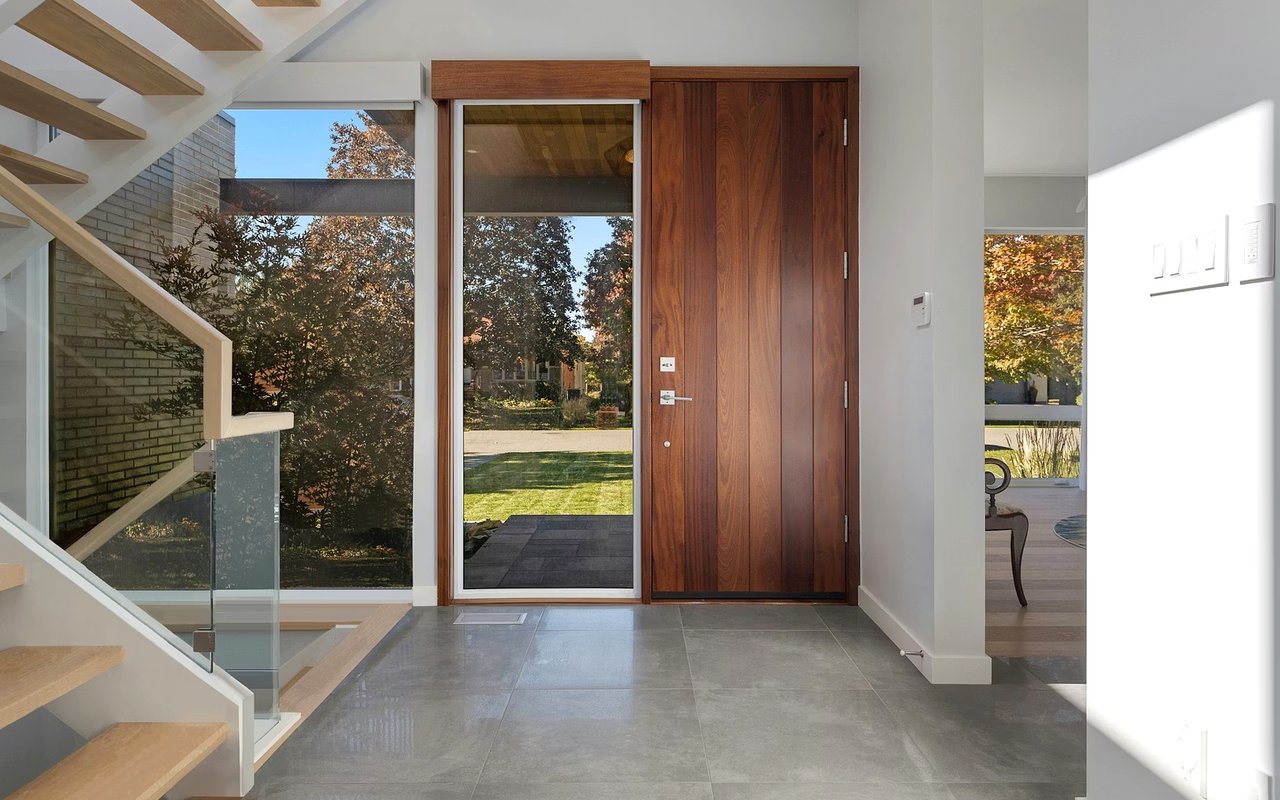
Exterior condition: Rooflines, siding, drainage, and driveway layout are documented.
-
Interior updates: Kitchen, baths, flooring, and window quality are noted.
-
Functional layout: Bedroom count, flow, and work-from-home space usability are assessed.
-
Basement and storage: Finished areas, ceiling height, and utility access are reviewed.
In Bergen County, what happens during a home appraisal often includes close attention to basement finish quality, kitchen and bath updates, and how the lot is used.
How Comparable Sales Get Selected in Bergen County
Comparable sales selection is the backbone of the appraisal, and it requires matching the property to recent nearby transactions that share meaningful characteristics.
Why these local factors shape the comp set
-
Town micro-locations: A Ridgewood side street can price differently from a nearby corridor.
-
Commuter access: Proximity to NJ Transit stations and major routes affects appeal.
-
Housing style match: Colonials, split-levels, and Capes are weighed against like-for-like sales.
-
Lot and frontage: Lot width, depth, and usable yard space influence adjustments.
Because Bergen County towns vary so much, what happens during a home appraisal often involves careful filtering for the right neighborhood pocket and the most similar housing style.
What Features Usually Drive Value Adjustments
Adjustments are used to reconcile differences between the subject property and the comparable sales, and they often focus on condition and utility.
Why these features often become adjustment points
-
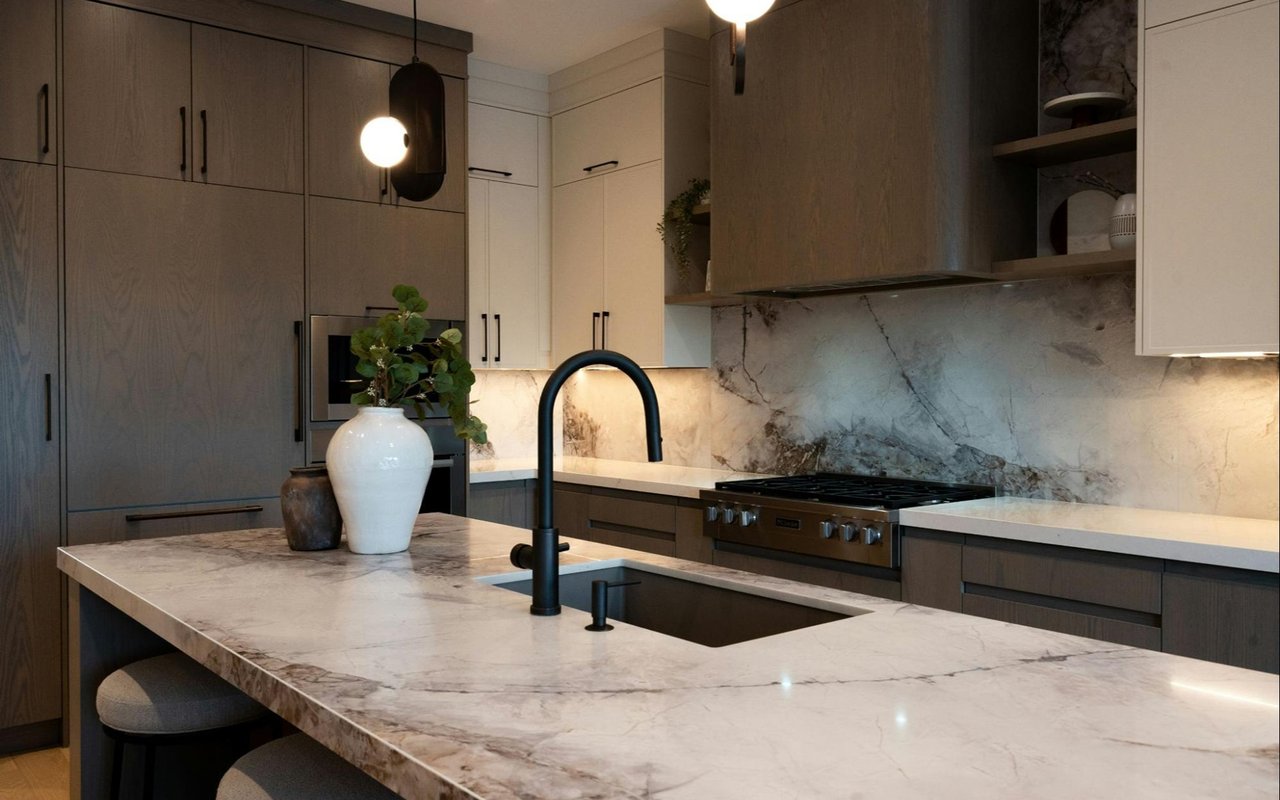
Kitchen renovation level: Cabinet quality, appliance tier, and layout efficiency are considered.
-
Bath count and finish: Full bath utility and modern finish consistency are evaluated.
-
Garage configuration: Attached versus detached, parking count, and access matter.
-
Outdoor usability: Patios, decks, and yard function can influence appeal.
Value tends to track how the home functions in everyday life, especially in towns where space planning is a premium.
How to Prepare the Home and Paperwork Without Overdoing It
Preparation is about access, clarity, and accurate information rather than staging for photos.
Why this prep checklist supports a smoother process
-
Improvement list: Dates and scopes for kitchens, baths, roofs, windows, and major systems.
-
Permit records: Documentation for additions, finished basements, and structural work.
-
Utility access: Clear paths to panel, boiler, furnace, water heater, and main shutoffs.
-
Feature notes: Pool, generator, EV charger, smart systems, and specialty upgrades.
We advise clients to prepare for what happens during a home appraisal by gathering documentation, making sure key areas are reachable, and presenting a simple summary of improvements.
Reviewing the Report and Handling Value Questions
After the report is delivered, the lender reviews the value conclusion and the supporting comps and adjustments.
Why this review approach keeps the next step focused
-
Comp relevance: Confirm that the sales reflect the same town pocket and housing style.
-
Feature accuracy: Verify bed and bath count, basement finish, and major upgrades.
-
Condition notes: Check that renovation level and maintenance are described correctly.
-
Follow-up requests: Provide receipts or permits if the lender asks for clarification.
When questions come up about what happens during a home appraisal, we focus on whether the comp choices match the neighborhood pocket and whether key upgrades were captured accurately.
FAQs
How long does the appraisal visit usually take?
Most visits are relatively brief, often around an hour, depending on size and complexity. Larger homes with finished basements, multiple additions, or extensive outdoor features can take longer.
Should we provide a list of upgrades to the appraiser?
Yes, a simple list with dates and scopes helps clarify what is new and what was maintained.
What happens if the appraisal value is lower than expected?
The lender reviews options, including a reconsideration request, when there is strong supporting information.
Contact Proper Estates Today
If you want clear guidance on what happens during a home appraisal in Bergen County, we will help you prepare a clean documentation packet and a neighborhood-specific comp context before the appraiser arrives.
Contact us at Proper Estates today, and we’ll help you organize improvements, highlight the right features, and respond to lender questions with Bergen County context so the appraisal process stays smooth and well supported.
Contact us at Proper Estates today, and we’ll help you organize improvements, highlight the right features, and respond to lender questions with Bergen County context so the appraisal process stays smooth and well supported.